
Medical
First-aid kits, trauma supplies, medication storage, and skills training. Medical prep is where most preppers underspend relative to the actual risk profile.
Top picks in Medical
Curated by topic, not commissionAll curated

I Don't Think We're Getting the Full Story
Analyze a pneumonic plague incident at a Russian laboratory and its implications for household pandemic preparedness.

First Aid Kit Setup for Portable Ham Radio Operations
Building and organizing first aid kits for portable ham radio gear and camping—what to include, 3D-printed storage solutions, and maintenance considerations.

Counterfeit Tourniquets: How to Spot One, and What Testing Shows
A physician walks through how to identify counterfeit CAT tourniquets using seven authentication checks graded by reliability, supported by federal bulletins and peer-reviewed testing data.
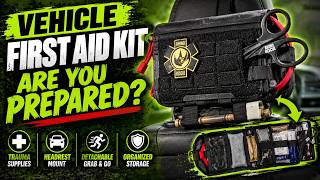
Rhino Rescue Vehicle First Aid Kit Review
Five-minute walkthrough of a vehicle-mounted first aid kit, including contents layout, trauma shears, and quick-deployment design for car or garage storage.
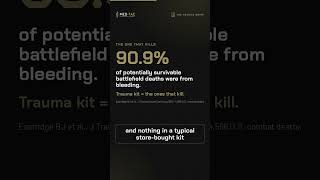
First Aid Kit vs. Trauma Kit: What Actually Stops Life-Threatening Bleeding
Why a standard first aid kit won't handle severe bleeding, and what four essentials belong in a trauma kit sized for your car, home, or workplace.

An Epidemiologist's Warning About Bioweapons and Plague: What Really Happened in Russia?
Epidemiologist discusses alleged plague outbreak in Russia and bioweapon risks relevant to pandemic preparedness.

The Easiest Way to Check Ears and Throats at Home
Seven-minute review of the MediScope diagnostic tool: penlight, magnifying lens, ear and nose speculums, oral mirror, and tongue depressors for pediatric and adult home exams.

Why You Need Antibiotics in Your Preparedness Plan
Medical-supply-chain vulnerabilities and how to build an emergency kit before hospitals are overwhelmed or pharmacies close, using a plague outbreak in Russia as a case study.

10 Ways to Improve and Maintain Your Health on the Homestead
Fifty-five minutes with Rebekah Rhodes on homestead health practices: water filtration, air quality, nutrition, sleep, cold exposure, and strength training for self-sufficiency.

Natural Remedies for Common Cold
Forage and prepare natural remedies to treat cold symptoms using household and wild ingredients.

US Travel Alert for Plague, Russia-Ukraine Conflict, Oil Tanker Attacks
Overview of emerging geopolitical threats including disease alerts, regional conflict escalation, and maritime disruptions affecting global stability.

Emergency Mylar Blankets: Treating Shock and Hypothermia
Two-minute walkthrough on mylar emergency blankets—why they belong in every medical kit, how they treat shock and hypothermia, and why gear alone isn't enough without training.

How Much Blood Loss Is Fatal? Hemorrhage Stages and Warning Signs
45-second primer on blood loss thresholds, the four stages of hemorrhage, and physiological warning signs before critical shock.

5 Tourniquet Mistakes from Viral Videos, Graded by a Physician
Physician breaks down five common tourniquet application errors found in online tutorials, grades them against military and civilian medical guidelines, and explains the single fix that addresses all of them.

Surviving the Rain: Hypothermia Prevention in the Wilderness
Six-minute walkthrough on the correct priority order when wet outdoors: wind protection, wet clothing management, ground insulation, and environmental stabilization—before attempting to build a fire.

This Is What I Was Afraid Of: 21-Day Lockdown in Russia
Analysis of a pneumonia outbreak in Siberia involving quarantine protocols, security response, and pneumonic plague risk factors.

Car Crash Survival: Your Safest Strategy Revealed
One-minute decision framework for staying safe at a multi-car accident scene: when to shelter in place versus exit, and how to call for help.

Trapped in the Wreck: Analyzing the I-95 Disaster
After-action breakdown of a 65-vehicle highway pileup in South Carolina: extrication tactics, first-responder resource allocation, and lessons for bystanders at large-scale accidents.

Find the Perfect Band-Aid for Any Wound
56-second overview of bandage styles — fingertip, knuckle, and wing designs — and which wound types each suits for effective healing.

I Survived a Gunfight: The Truth They Don't Tell You
First-person account of a defensive shooting incident and what you need to know about legal protection, medical response, and the realities of self-defense encounters.

Survival Blankets: Essential Trauma Kit Gear
One-minute overview of compact survival blankets for trauma response and winter emergency kits — why they matter and how to use them.

Boots on the ground... Wars and rumors of wars
Introduction to a trauma first aid kit designed for hemorrhage control and wound management.
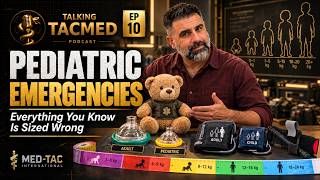
Pediatric Emergencies: Everything You Know Is Sized Wrong
How children's physiology differs from adults' in emergencies: three key facts, gear sizing, dosing by weight not age, and real-time scenario walkthrough of a playground injury.

This Herbal Remedy has Saved Us Thousands in ER Bills
Make a five-herb first-aid paste using comfrey, slippery elm, myrrh, bayberry, and garlic powder.

Stop the Bleed Kit: What It Is & Why You Need It
27-second overview of stop-the-bleed kits: what they are, when to use them, and why households should have one for life-threatening hemorrhage control.

Stop the Bleed Kit: Building Your Essential First Aid
One-minute walkthrough assembling a Stop the Bleed kit with CAT tourniquet and compressed gauze for household emergency response.

Kitchen Knives and Power Tools: Bleeding Control at Home
Physician-led walkthrough of four realistic home-bleeding scenarios—kitchen knife, forearm laceration, table-saw finger loss, chainsaw thigh wound—with decision criteria, tourniquet technique, and what to keep in your home medical kit.
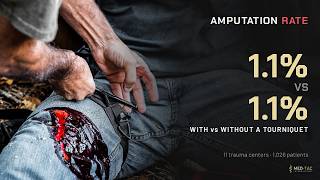
Do Tourniquets Cause Amputations? What the Evidence Actually Shows
Physician-led breakdown of tourniquet safety myth using military combat hospital and U.S. trauma center data: what the evidence shows about amputation risk and when time becomes the real problem.

How Long Can a Tourniquet Stay On? 1 Hour, 2 Hours, 6 Hours
Medical deep-dive on tourniquet application timing, physiology, and the difference between the two-hour conversion target and six-hour hospital threshold, with TCCC guidelines and civilian injury data.

Where Does a Tourniquet Actually Go? Both Answers Are Right
Physician-led walkthrough of tourniquet placement for bleeding control: hasty vs. deliberate application, why joints matter, and when to reposition—grounded in TCCC guidelines.

How a Blind Ham Radio Operator Saved Two Lives in Hurricane Katrina
True story of a ham radio operator who coordinated a Coast Guard rescue during Hurricane Katrina when conventional emergency systems failed, demonstrating ham radio's value in grid-down scenarios.

What Happens When the Medicine Your Family Needs Isn't Available?
Explores U.S. pharmaceutical supply vulnerabilities (227 active drug shortages) and how households can identify and prepare for medication dependencies.
What Does Doc Say About Tourniquets?
Brief guidance on tourniquet training, application, and the importance of regular practice before an emergency.
How to Survive a Nuclear Strike: The First 72 Hours
26-minute walkthrough of nuclear-blast survival in the immediate aftermath—blast effects, fallout, decontamination, radiation exposure, and decision-making without power or emergency services.

No Tourniquets in the Forearm: Here's Why
One-minute explanation of why forearm tourniquets don't work and proper tourniquet placement for effective bleeding control.

Clemson Rural Health Clinic is Back on the Road
Walk through inverter replacement and hybrid solar-battery-generator power system setup for an off-grid mobile health clinic.
Major Shortages Are Coming: Stock Up Right Now
Overview of anticipated shortages and recommended stockpiling strategies across food, medical, and radiation detection.

Can a Properly Applied Tourniquet Hurt?
Short guide on tourniquet application safety, proper technique, and the importance of training and practice before an emergency.

The Easiest Way To Open A Pill Bottle
One-minute tip: how to disable child-resistant prescription bottle caps for easier access during emergencies or for household members with mobility limitations.

Camp Hygiene & First Aid: Woodsman's Pack Series, Part 6
Twelve-minute walkthrough of hygiene and first-aid items for backcountry camping, with product recommendations and practical application.

The Herbal Oil Method Used by Professional Herbalists
Learn the alcohol intermediary method to extract medicinal compounds more effectively when infusing dried herbs into oil.
They Don't Care Anymore—Prepare for the Worst
Assessment of current threats and practical preparation strategies across food storage, medical supplies, and radiation detection.

5 Supplements to Stockpile for Emergencies
Two minutes on which supplements to stockpile for grid-down and emergency scenarios, plus where to source them.

Why I Tell Patients to Ferment Food
A physician explains the gut-health benefits of fermented foods and their role in household nutrition and resilience.

47 Years of Glyphosate Exposure: Soil Health and Human Microbiome
Conference lecture exploring the relationship between glyphosate, gut health, soil microbiomes, and chronic illness — with practical approaches to detoxification and food safety.

6 Reasons to Go to the Hospital After a Self-Defense Shooting
A 20-year police officer explains medical and legal protocols to follow immediately after a self-defense shooting incident, and reviews legal-defense insurance options.

Grid-Down Preparedness: Essential Supplies and Stockpiling Strategy
Walkthrough of practical stockpiles for grid-down scenarios: long-term food storage, water, medical supplies, hand tools, fire-starting, and emergency funds.
First Aid Training In Your Pocket
Learn portable first aid resources and techniques you can carry and reference anywhere, anytime.