
bleeding-control
17 videos tagged bleeding-control across 2 categories.
All videos

Your Car Kit Is Only Half Done: A Doctor's Vehicle Trauma Kit
Physician-led walkthrough of vehicle emergency kit setup for crash response: bleeding control, access tools, warmth, spinal precautions, storage tiers, and first-three-minutes priorities.

Pressure points don't stop bleeding. Here's what does.
58-second breakdown of effective bleeding control: direct pressure, tourniquets, packing techniques, and why pressure points don't work in real casualties.
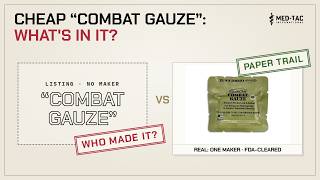
Hemostatic Gauze Ranked: Combat Gauze, Celox, QuikClot, and Fakes Compared
Physician compares nine hemostatic gauze brands and their knockoffs, explaining how kaolin and chitosan work, ranking them against clinical evidence (patient, animal, simulation, lab), and teaching how to verify authentic products.

Viral Bleeding Hacks Graded by Physician
Physician evaluates common emergency bleeding remedies (tampons, superglue, cayenne, duct tape) against medical evidence, explains what actually works, and when to use tourniquets or pressure packing.

SOF-T Tourniquets: Which Color Do You Need?
54-second breakdown of SOF-T tourniquet color options for quick identification or tactical concealment, and why carrying two is essential for femoral-artery response.

How long until help arrives? EMS response times vs bleeding
National EMS response times (7 min median, 13+ min rural) vs. the narrow window for controlling life-threatening bleeds—why bystander intervention matters.

Which Tourniquet Is Best? What the Evidence Actually Shows
Physician-led ranking of ten tourniquets by clinical evidence level: real-patient data, volunteer studies, manikin tests, and mechanism reasoning. Covers CoTCCC recommendations, width trade-offs, common user errors, and newer designs.

Your tourniquet won't work on a groin or armpit bleed. So what will?
One-minute guide to wound packing for junctional hemorrhage: locating the source, applying hemostatic gauze with direct pressure, and securing with a pressure dressing.
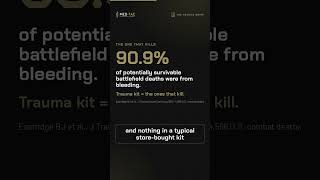
First Aid Kit vs. Trauma Kit: What Actually Stops Life-Threatening Bleeding
Why a standard first aid kit won't handle severe bleeding, and what four essentials belong in a trauma kit sized for your car, home, or workplace.

Kitchen Knives and Power Tools: Bleeding Control at Home
Physician-led walkthrough of four realistic home-bleeding scenarios—kitchen knife, forearm laceration, table-saw finger loss, chainsaw thigh wound—with decision criteria, tourniquet technique, and what to keep in your home medical kit.
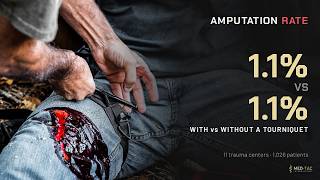
Do Tourniquets Cause Amputations? What the Evidence Actually Shows
Physician-led breakdown of tourniquet safety myth using military combat hospital and U.S. trauma center data: what the evidence shows about amputation risk and when time becomes the real problem.

How Long Can a Tourniquet Stay On? 1 Hour, 2 Hours, 6 Hours
Medical deep-dive on tourniquet application timing, physiology, and the difference between the two-hour conversion target and six-hour hospital threshold, with TCCC guidelines and civilian injury data.

Where Does a Tourniquet Actually Go? Both Answers Are Right
Physician-led walkthrough of tourniquet placement for bleeding control: hasty vs. deliberate application, why joints matter, and when to reposition—grounded in TCCC guidelines.
What Does Doc Say About Tourniquets?
Brief guidance on tourniquet training, application, and the importance of regular practice before an emergency.

No Tourniquets in the Forearm: Here's Why
One-minute explanation of why forearm tourniquets don't work and proper tourniquet placement for effective bleeding control.

Can a Properly Applied Tourniquet Hurt?
Short guide on tourniquet application safety, proper technique, and the importance of training and practice before an emergency.

Your Car is Missing the Most Important First Aid Tool
Step-by-step tourniquet application walkthrough for controlling severe bleeding after car accidents, covering common mistakes and technique for arm and leg injuries.