@Sustainable Homestead Institute
— · 112 videos curated
Channel teaches homesteading, food production, and self-sufficiency skills applicable to household preparedness.
All 112 videos

The Reverse Rake: Speeding Up Hay and Grass Drying
53-second demonstration of tether rake technique for faster hay and straw drying in field management, applicable to small-scale food production.

Why You Need To Stockpile Hay Now
How drought-driven hay shortages affect livestock owners, and why on-farm hay collection and storage are critical for keeping animals fed during pasture recovery.

What Actually Happens To Hay Before Baling?
Five-minute walkthrough of the windrow technique: how to rake and fold cut grass into uniform lines for faster drying on a homestead.

Pasture Weed Management: Timing Your Mowing to Interrupt Seed Cycles
One-minute walkthrough on controlling invasive weeds in pasture by mowing at first flower to prevent seed drop and protect grazing land.
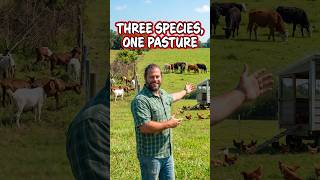
Rotational Grazing for Chemical-Free Parasite Control
How to sequence goats, cows, and chickens across pasture to naturally manage parasites, maintain soil health, and maximize productivity without chemical inputs.
Rabbit Care and Hutch Management in a Productive Garden
Eleven-minute walkthrough on rabbit husbandry basics: keeping rabbits healthy, moving them safely to new hutches, and integrating them into garden spaces without requiring manicured property.

Hand Scythe for Garden Maintenance: Chop-and-Drop Mulching
34-second walkthrough of using a hand scythe ($10 tool) for efficient seasonal garden maintenance, chop-and-drop mulching in beds, and soil management without mechanization.

Managing a Large Garden Efficiently: BCS Tractor and Flail Mower Setup
Walk-through of using a BCS garden tractor with flail mower attachment to manage larger garden plots, reduce labor, and maintain soil health through mechanical mulching.

Why Your Garden Looks 'Bad' But Works Great
A working garden doesn't need to be perfect: how to grow productive food with minimal maintenance, inconsistent input, and real-world constraints.

Growing Cucumbers On Trellises: Space-Efficient Garden Techniques
Garden tour demonstrating why trellising cucumbers saves space and reduces pest damage, with notes on peppers, zucchini, and harvest-ready produce for preservation.

Mulching Over Drip Irrigation: Reduce Water Loss and Build Soil
Step-by-step walkthrough on layering mulch over drip lines to cut evaporation, maintain soil moisture, and use chop-and-drop composting to feed the garden.

What's Ready In The Garden Right Now? Tomato Harvest and Ripening Timeline
Garden walkthrough showing cherry tomato harvest readiness, ripening timelines for different varieties, and why staggered production matters for consistent food supply.

Hand Scythe Chop-and-Drop Mulching for Garden Soil Building
Ten-second technique using a $10 hand scythe to turn garden waste into compost in place, boosting soil fertility without hauling or purchased inputs.

How to Build a Garden Bed in 5 Minutes: No-Dig Composting Method
28-minute walkthrough of the no-dig gardening method using cardboard and straw to suppress weeds and build soil for food production without digging.

Heat Stress in Chickens: Water Management for Flocks Large and Small
How to keep chickens hydrated during extreme heat: gravity-fed water systems for 300-bird operations and small backyard flocks, plus why dehydration is the fastest threat in summer.

Why Your Chickens Need a Midday Siesta (And How to Time It)
How to synchronize chicken coop access with seasonal sunlight and heat patterns to improve foraging, reduce labor, and adapt your system to changing conditions.

What I Wish I Knew Before I Got Chickens
Fifty-one seconds on common beginner chicken-raising mistakes—coop design, fencing, and systems setup—from someone who learned them the hard way.
Fruit Tree Planting Timing: Optimal Seasonal Windows for Your Region
How to time fruit-tree planting for your climate zone to avoid root stress and establish a productive food forest without wasting saplings.

Why Your Stationary Chicken Coop Is a Huge Mistake
Mobile chicken coop systems that reduce labor, improve land health through natural tilling, and cut costs compared to stationary setups.

The Secret To A Huge Garlic Harvest
Step-by-step garlic growing: soil preparation, bulb breaking, planting depth, and root development for a successful harvest.
Turn Garden Overgrowth Into Fertilizer: Chop and Drop Technique
Five-minute walkthrough of the chop-and-drop method to clear overgrown gardens while building soil fertility, featuring hand scythe technique and regenerative agriculture principles.

Turn Kitchen Scraps Into Free Fertilizer
Composting walkthrough: convert kitchen waste into rich soil for food gardens, reducing grocery costs and building homestead fertility.

My First Chicken Setup Was a Disaster
Common mistakes when setting up your first chicken coop and flock, with lessons on preparation, fencing, and systems before birds arrive.
Why Your Blueberries Keep Dying (And How to Fix It)
Walkthrough of blueberry cultivation using garden terraces and swale systems to optimize soil moisture and yield on a homestead.

Why You Can't Find Local Meat Anymore
Analysis of the collapse of local meat-processing infrastructure since the pandemic and strategies for managing livestock inventory when butcher capacity is unavailable.

Bush Hogging vs. Cutting Hay — Equipment Breakdown for Home Hay Production
How to produce your own hay during drought: the differences between bush hogs, hay cutters, rakes, and tedders, and why each step matters for food security.

Heat Stress Relief for Backyard Chickens: Using Coop Shade and Ventilation
One-minute walkthrough on keeping laying hens cool during heat stress: shade structures and ventilation adjustments that keep a backyard flock productive through summer.

Why Your Chickens Are Struggling In The Heat: Water Management for Mobile Coops
Water management strategy for keeping a 300-bird mobile flock hydrated during extreme heat, with focus on nipple drinker systems and reservoir maintenance.

Why Your Chickens Are Thirsty (And How to Fix It)
45-minute walkthrough on building a reliable water system for chickens, integrating feed and shade into one efficient setup for better resource management.

Why I Don't Buy From Grocery Stores Anymore: Food Safety and Home Production
Walkthrough of industrial produce contamination risks, farm safety practices, and how to start growing your own food for supply chain resilience.

Tractor Attachment Compatibility: Why Universal Standards Don't Always Apply
Why your tractor's attachment system may not be universal, using a Bush Hog grapple on a Massey Ferguson as a case study — critical safety knowledge for homestead equipment operation.

How to Get Red Bell Peppers Every Time
Twenty-three minutes on pepper ripening: why green and red bell peppers are the same fruit at different stages, and how timing on the vine affects flavor and yield.

Grow More Cucumbers in Less Space with Vertical Trellis Growing
Hands-on walkthrough of vertical trellis training for cucumbers: how to keep vines off soil, maximize garden-bed yield, and reduce pest and disease pressure in small spaces.
Eating The Tomatoes You Said Wouldn't Grow
Walkthrough of tomato harvest readiness and variety selection from a producing garden, with practical assessment of ripeness and flavor.

Growing Golden Zucchini: Varieties, Garden Pests, and Harvest Timing
26-minute walkthrough comparing golden and standard zucchini varieties, managing garden pests as indicators of plant health, and recognizing harvest-ready crops.

How Chickens Save Farm Money: Replacing Tilling and Tractor Use
Practical walkthrough on integrating chickens into farm management to reduce tractor use, fuel costs, and labor while improving soil health through regenerative practices.

Don't Let Wild Weather Destroy Your Harvest
Soil moisture and water management techniques to protect crops from drought and flooding using landscape design and natural water storage systems.
No Chemicals in Garden = Safe to Eat
Building healthy, resilient soil through organic matter and soil biology instead of synthetic inputs—a foundation for long-term food security.

Building My Dream Garden From Scratch
Multi-year process of converting steep hillside into terraced garden: contour measurement, layout planning, and greenhouse foundation on uneven ground.
Why You Should Start Small
Financial and operational strategy for scaling homestead projects incrementally to avoid over-investment, test local markets, and match production to actual family needs.

Terrace or Swale? Which One Fixes Your Yard?
How to use contour lines and terrain management (terraces vs. swales) to fix uneven ground and improve water retention on your property.

Sprinklers Won't Save Your Garden
Efficient irrigation techniques for food gardens: drip systems, mulch, timing, and olla pots to deliver water at the roots and reduce waste.

Does Adding Cayenne to Chicken Feed Actually Work? (What We Do and Why)
How capsaicin in cayenne pepper affects chicken physiology, why it may boost winter egg production, dosing guidance, and complementary strategies for year-round laying.

Is Self-Sufficient Living Still Possible? My Honest Take
Eleven-minute walkthrough of building a resilient homestead: integrating animals, water systems, crop diversity, and soil health to survive drought and crop failures.

Why I Stopped Planting and Started Building Soil
Regenerative farming approach prioritizing soil health and livestock integration over immediate planting—designing self-sustaining food systems from the ground up.

Regenerative Design Doesn't Need 1000 Acres
How to optimize food production and land management on small acreage using regenerative principles like adaptive grazing and landscape observation.

Why Farmers Use Goats to Close Out Summer
How rotational grazing with portable fencing clears vegetation while building soil fertility—a practical technique for homestead food production.

Summer Garden Tour: Squash, Asparagus & Vegetable Growing Methods
Ten-minute walkthrough of a productive home garden in summer, covering vegetable cultivation techniques for squash, asparagus, and other crops to ensure reliable harvests.
Why Bare Soil Is a Bad Idea
How to build living soil using mulch, cover crops, and no-till methods instead of destructive tilling — critical foundation for growing reliable food.
Regenerative Design: Small Garden, Same Power As Big Farm
How to implement regenerative gardening systems at any scale, from raised beds to larger plots, to maximize food productivity with natural resources.
Composting Is The Secret Ingredient
How to build garden soil fertility through composting, kitchen scraps, livestock rotation, and chop-and-drop methods integrated into daily homestead routines.

July Garden Harvest — What's Ready, What We're Pickling, and What's Coming Next Week
Walk-through of a mature organic garden at peak summer harvest, covering trellis growing, variety selection, and preservation techniques with heirloom tomatoes, peppers, zucchini, and cucumbers.

Efficient Homesteading Isn't About Working Harder
How to design regenerative homestead systems that reduce daily exhaustion and create sustainable food production with intentional planning rather than constant reactive work.

Overgrown Garden? Let the Goats Handle It
How to use goats to clear overgrown garden beds and turn a planting mistake into productive land management.
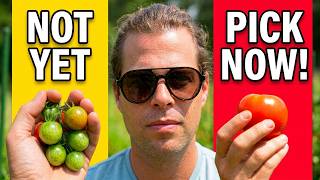
When to Pick Tomatoes for Maximum Flavor
Practical guidance on tomato variety selection, cultivation, and harvest timing to maximize yield and flavor in a home garden.

Why Soil Is Everything: Building Living Soil for Better Gardens
Why soil biology matters more than synthetic inputs: how organic matter builds water retention and plant germination for better harvests.

What I Got Wrong About Grazing Schedules
How to manage rotational grazing by animal density rather than fixed calendar schedules, and why flexible paddock sizing improves land productivity and parasite control.

The Mobile Chicken System That Handles Extreme Heat
How to manage pastured chickens through extreme heat using mobile coop design, timing, and water management — no expensive cooling equipment required.

First Tractor Investment – Was It Worth It?
Scott walks through 12+ years of tractor ownership on a Virginia farm, covering equipment evolution, maintenance hacks, and principles for scaling farm tools wisely.
Where Does Melting Snow Really Go?
How to use contours, terraces, and organic matter to slow runoff and store water in soil, reducing erosion while improving plant health.

Why We Grow Cucumbers Vertically
Vertical cucumber growing reduces pest losses, saves space, and improves harvest yields—a practical technique for small-space food production.

Follow the Sun: The First Step to a Thriving Garden
How to evaluate sun exposure and aspect when choosing a garden location to maximize crop growth and soil health.

Rabbit Winter Prep That Actually Works
Walkthrough of a rabbit hutch design tested in an ice storm: waterer maintenance, hay insulation strategy, and spare-parts approach to winter livestock care.

Healthy Soil, Fewer Beetles: Building Soil to Reduce Pest Pressure
46-second field observation on how soil health influences plant resilience and natural pest resistance in potato cultivation.

Cheapest Trellis Ever: Cattle Panels for Climbing Vegetables
54-second walkthrough on building and training vertical trellises from cattle panels to support heavy crops like beans, squash, and melons in small spaces.

The Best Way to Tell If Eggs Are Fresh
Forty-nine-second walkthrough of the water float test to check egg freshness and understand shelf life for stored farm eggs.

Dirt Moving Power: Matching Tiller Size to Tractor for Seed Bed Prep
Short walkthrough on selecting and operating a tiller matched to your tractor's PTO system for efficient soil preparation and food production.

Don't Buy The Wrong Chicken Breed
How to choose chicken breeds based on your goals: dual-purpose birds versus specialized layers for consistent egg production and meat.

Growing Limes in Virginia: Greenhouse Methods for Year-Round Citrus
Walkthrough of greenhouse setup and container methods to grow fresh citrus in cold climates, with focus on organic production and food self-sufficiency.

Meat vs. Egg Chickens: Big Feeding Mistake
How to feed meat chickens and egg layers differently to avoid health issues, waste, and overeating while maximizing pasture efficiency.

Drip Irrigation System On A Homestead
Ten-minute walkthrough installing drip irrigation across a two-acre market garden: component breakdown, live demo, soil moisture contrast, and real cost analysis.

I Blamed My Onions… It Was the Soil!
Troubleshoot onion failures by diagnosing soil deficiencies; learn why organic matter matters for bulb development and how to correct it for next season.

Safe Eggs: Washing and Refrigeration Rules
46-second guide to proper egg washing, sanitation, and refrigeration practices for safe storage and farm-to-table handling.

Colorful Vegetable Garden Magic: Seed Propagation and Pollinator Management
How to use flowering herbs and pollinator plantings as a dual-purpose garden system: natural seed spreading and crop pollination on a homestead.

Why Free-Range Chickens Love Their Coop
53-second guide to nesting-box setup and understanding flock behavior to reduce egg loss in backyard chicken systems.

Will Key Limes Survive in Virginia? Growing Citrus Indoors
How to build a controlled greenhouse environment to grow temperature-sensitive citrus like key limes and lemons in any climate zone.

Cornish Cross Chickens: Why Mobility Declines as They Age
Why Cornish Cross broilers struggle to move and access feed as they mature past typical slaughter age, and what this reveals about breed selection for long-term homestead flocks.

Chickens Loved This New Feed (Here's Why)
Seven minutes on chicken nutrition: ingredient breakdown of a natural supplement (cayenne, garlic, oregano, flax) and its role in flock health, egg production, and immune support.

You've Probably Never Tried These Tomatoes
One-minute introduction to heirloom tomato varieties, why supermarket tomatoes lack diversity, and how to identify and grow unique cultivars in your backyard.

Start Your Garden With The Right Foot
Stagger your planting schedule to avoid harvest gluts and maintain consistent garden production throughout the season without overwhelming yourself.

The Depression Plant You Can Actually Eat: Pokeweed Foraging
How to identify and safely harvest pokeweed shoots in spring; traditional foraged green with specific harvesting windows to avoid toxicity.

DIY Organic Fertilizer: Brewing Compost Tea at Home
How to make nutrient-rich plant food from garden compost using a bucket and aerator pump, as an alternative to commercial fertilizers.
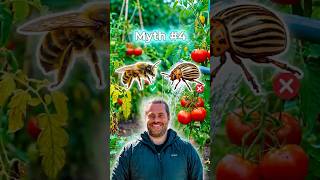
These 'Bad' Bugs Are Actually Saving Your Garden
How to identify beneficial insects and use interplanting to protect crops without pesticides—a 37-second primer on natural pest control for home gardeners.

Growing Malabar Spinach: A Continuous Harvest Variety
49-second overview of Malabar spinach as a high-yield, vertically-growing variety for year-round home garden production.

This Gardening Excuse is Costing You Time and Money
40-second walkthrough on why beginning gardeners should start planting now rather than waiting for perfect knowledge.

Garden Myth #3: How Much Land?
Debunks the myth that productive food gardens require acres; shows how to maximize yields in small spaces like window boxes and raised beds using permaculture zoning.

Growing Olives in Southwest Virginia: Container Fruit Trees for Home Production
Testing whether olive trees grown in containers can produce 20 pounds annually in Southwest Virginia; expanding on greenhouse food production for small-space homesteads.

Garden Myth #2: The Watering Mistake
39-second breakdown of why consistent soil moisture beats frequent heavy watering for healthy plants and better harvests.

Extra Chickens: Define Your Market
Planning before buying: how to assess whether chickens feed your family or generate income, and why most first-time homesteaders skip this critical step.

Healthy Chickens, Healthy Pasture: Coop Spacing and Rotational Grazing
42-minute walkthrough on calculating proper chicken coop spacing for stationary and free-range setups to avoid overgrazing and keep birds healthy.

June Garden Check In: Spring Maintenance for Thriving Harvests
Garden maintenance walkthrough covering soil health monitoring, water and nutrient assessment, and early-stage crop management to prevent losses.

Don't Rush Into Farm Animals: Five Things to Know First
Planning checklist before buying livestock: fencing, shelter, feed, space, budget, and animal selection to avoid costly beginner mistakes.

The Secrets of Good Soil, Myth 1
Why you don't need perfect soil to start gardening—how composting kitchen scraps, mulching, and returning organic matter build productive soil over time.

Why Chickens Refuse To Sleep On The Floor
Why chickens need elevated roosts in a coop, and two functional designs (galvanized poles and cut branches) that meet the birds' instinctive safety needs.

Every Egg Has Potential: Identifying Fertile Eggs and Hatching Chickens
How to identify fertile eggs from a mixed flock and choose between broody-hen or incubator hatching to grow your chicken population.

Inside a Mobile Chicken Coop
Tour of a slatted-floor mobile chicken coop design: how daily rotation stacks eggs, pest control, and pasture fertilization into one system.

Brooder Basics Every Chick Owner Should Know
50-minute walkthrough of the 28-day hatching cycle: managing an incubator, brooding chicks after hatch, and initial care setup for a backyard flock.
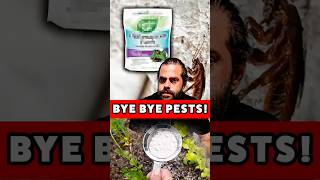
Garden Pests Don't Stand a Chance Against This
31-second demonstration of using diatomaceous earth as an organic barrier against garden pests on eggplants, without synthetic chemicals.

This Tool Saves Hours Installing Fence Posts
Side-by-side comparison of manual versus gas-powered T-post drivers for fence installation, evaluating time savings and cost-benefit for homestead property work.

Save Water In Your Garden With This Hack
Two moisture-retention techniques for gardens: mulching to reduce evaporation and terracing to manage water spread, especially useful during drought.

Scatter Asparagus Seeds Once, Harvest Forever
How to propagate asparagus from seed without replanting: let mature plants self-seed and establish volunteer beds naturally.

The Cover Crop That Feeds Your Garden
59-second walkthrough of hairy vetch: how to identify it, why it fixes nitrogen, and the chop-and-drop method for natural soil fertilization.

Free Food Just Appeared In My Garden
How to spot and harvest volunteer plants that reseed themselves, turning garden beds into low-maintenance food production without replanting effort.

Your Cattle Keep Testing the Fence, Check This First
58-second walkthrough of high-tensile electric fence installation, grounding mistakes, and insulator placement to keep livestock secure long-term.

Growing Garlic Is Easier Than You Think
Four-step garlic cultivation walkthrough: bed preparation, planting depth and orientation, six-month growth cycle, harvest and drying for home use or surplus.

Why This Chicken Coop Is So Efficient
22-minute walkthrough of efficient chicken coop design and pasture-rotation systems for regenerative land management without fossil fuels.

The Fantastic Root Vegetable: Radish
Forty-one seconds on using daikon radish as a cover crop to improve soil quality, aerate compacted earth, and build organic matter without heavy tilling.

Squirrel Problem Got Out of Control: Barn Storage Security
Step-by-step walkthrough of boarding entry points and reinforcing barn doors to protect stored feed from rodent damage.

How to Grow Garlic the Easy Way
Step-by-step garlic planting technique covering soil prep, clove orientation, and burial depth for reliable harvests.

Soil and Worms: Broad Forking for Garden Bed Aeration
How to use a broad fork to aerate compacted soil while preserving beneficial worms and microbes, instead of tilling.

Mobile Coop Hack That Stops Every Predator
DIY predator-proof chicken coop design using tarps and simple fencing to protect backyard flocks from raccoons and foxes.

Melon Plants Training: Vine Management to Prevent Rot and Cracking
Technique for training melon vines vertically to prevent ground rot, cracked rinds, and soil-borne moisture damage while maximizing garden space.